Contract Icons: A Designer’s Real-World Embroidery Review
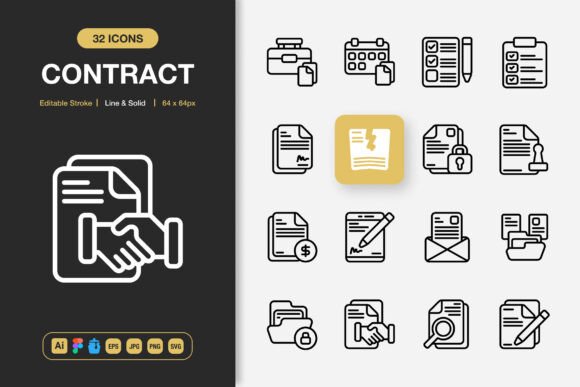
I’m looking at the Contract Icons set with the eye of someone who needs designs to stitch, not just to look pretty on a screen. These minimalist icons promise versatility, and my first task is to see if that promise holds up when the needle starts moving. The immediate impression is clean, modern, and quietly confident. There’s no fuss, no decorative flourishes—just essential shapes that communicate clearly. This visual personality feels like it belongs to projects that need to look smart and intentional.
The Mood They Bring to Stitched Projects
I imagine pulling one of these icons for a custom embroidered tote bag. A simple, geometric icon centered on the fabric. The mood it creates is professional yet approachable, which is perfect for a small business owner selling handmade goods or a creative entrepreneur wanting branded merchandise. On a sweatshirt or a cap, these icons wouldn’t shout; they’d state. That’s valuable. For baby items or nursery decor, the clean shapes feel safe and contemporary, avoiding the cluttered sweetness that sometimes dominates that category. They lend a sense of calm order.
Where Contract Icons Naturally Fit in Your Work
In real-life embroidery situations, this set’s strength is its adaptability. I’m thinking through a stack of potential projects:
- Custom apparel like t-shirts and sweatshirts where a small, crisp logo adds value without overwhelming the garment.
- Tote bags and aprons for boutique products or craft fair items, where the design becomes a subtle signature.
- Embroidered patches that can be applied to jackets or bags, offering a modern alternative to traditional patch aesthetics.
- Home goods like pillow covers, tea towels, or blankets, where a single, well-placed icon elevates the item from plain to designed.
- Personalized gifts and holiday embroidery, especially when you want the gift to feel thoughtful but not overly ornate.
- Small shop merchandise and Etsy listings, where consistent branding across products builds customer trust.
The minimalist nature means these graphics translate well into digital product previews and printable mockups, too, helping you present your finished product with clarity.
Performance on the Machine and the Fabric
How will Contract Icons perform when you actually run the embroidery file? Their simplicity is a huge advantage. Lower stitch density is likely, which means less time on the machine and less strain on delicate fabrics like thin or stretchy knits. This makes them excellent candidates for baby clothes or lightweight t-shirts. However, minimalist design also demands precision.
You need to pay attention to small details and corners. A slight wobble in a satin stitch outline could break the clean illusion. Testing on scrap fabric first is essential. Check the thread color contrast against your final fabric—these icons rely on sharp definition. On dark fabric backgrounds, you might need to reconsider color choices to maintain that clarity. For textured fabrics like linen or canvas, the clean lines should hold up well, but always use the proper stabilizer to keep shapes crisp.
Careful Application: Where to Mind the Details
There are situations where you should proceed with extra caution. Working with very small hoop sizes might compress the icons too much, losing their impact. On curved surfaces like caps, the layout might need adjustment to accommodate the shape. If any icon incorporates tiny internal lettering or exceptionally fine lines, review that detail closely in a test stitch. For products that will need frequent washing, like kitchen towels or baby blankets, the durability of the stitchwork matters—clean designs with solid fill stitches or running stitch outlines often withstand wear better than overly intricate ones.
Impact on Your Business and Your Clients
Using Contract Icons affects more than just the stitch; it affects perception. The visual appeal is one of smart simplicity. On a finished product, this enhances the handmade presentation by making it look deliberately crafted, not haphazard. For your customers, that builds trust and can increase the product’s perceived value. A clean, recognizable icon on a tote bag or sweatshirt looks professional, which supports brand consistency if you’re selling a line of items.
The giftability of items embroidered with these icons is high—they feel universally appropriate, not niche. For commercial embroidery projects, or for selling the finished items in your craft business, they offer a versatile asset. But a crucial note: always confirm the licensing terms of the graphics before selling any finished product or using them in digital products for resale. The product description mentions suitability for any project, but you must verify what that means for commercial use.
Practical Notes from the Embroidery Hoop
Before you commit to a project, here’s my practical checklist:
- Run a test stitch on a scrap of your target fabric. Check for stitch density and any potential puckering.
- View the design in black and white mockups to judge its form independently of color.
- Compare how it looks on both light and dark fabric backgrounds in your software preview.
- Confirm the hoop size needed and whether it fits your physical product area.
- Inspect small details, especially if the design is intended for a small item like a cap or a baby bib.
- Plan your thread colors for maximum contrast and legibility.
- Ensure you have the correct stabilizer for your fabric type to preserve the clean edges.
- Finally, double-check that the embroidery file works for your intended use—personal gift or commercial product—to avoid any licensing issues.
Ultimately, Contract Icons feels like a toolkit for the thoughtful maker. It’s not about flash; it’s about function and quiet style. When stitched well, on the right product, it can change the feel of your next projects by bringing a modern, confident simplicity that customers recognize and appreciate. It’s a design asset that, in the right hands, turns into a valuable finished product.