Man & Woman Construction Engineers: A Designer's Review
First Impressions: Personality and Project Fit
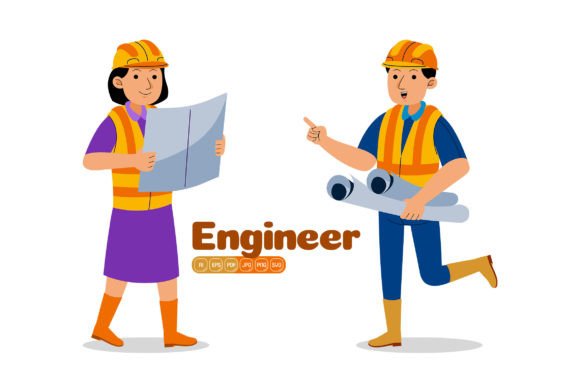
When I first saw the Man and Woman Construction Engineer design, I immediately appreciated its clean, illustrative style. It’s not overly fussy; it has a confident, professional, and slightly friendly mood. The layout is balanced, with clear, identifiable figures that feel modern without being too abstract. For an embroidery project, this is a great starting point. The detail level is thoughtful—enough to convey the theme but not so dense that it would become a stitching nightmare on smaller items. My mind went straight to practical, giftable products: a custom embroidered tote bag for a project manager, a personalized gift like a pillow cover for a newly licensed engineer, or even a simple patch for a work cap.
The Real-Life Embroidery Scenario
Let’s walk through a real case. Imagine a small business owner, an Etsy seller specializing in custom apparel, receives a request for a unique gift. A client wants a high-quality, embroidered sweatshirt for their spouse, a construction engineer celebrating a career milestone. You pull up the Man and Woman Construction Engineer file. The illustrative nature means it will translate well into stitches. You’re thinking about fabric choice—a mid-weight cotton blend for the sweatshirt—and how the design’s solid shapes will satin stitch cleanly. The client might love the option to customize colors, perhaps using the company’s logo colors for the figures’ outfits. This isn’t just a graphic; it becomes a meaningful, handmade product with genuine sentimental and professional value.
Where This Design Excels in Application
This design shines across a surprisingly wide range of projects. Its clear shapes make it excellent for apparel decoration: t-shirts, polo shirts, and caps (though caps require careful planning for curved surfaces). For craft business items, consider it for aprons, kitchen towels, or even baby clothes if you’re targeting a “builder’s family” theme—it’s cute without being childish. As a digital product seller, you could use it in printable mockups for websites or as part of a digital embroidery file bundle for other makers. The potential for commercial embroidery is there too, perhaps for a small engineering firm’s branded merchandise.
Its versatility comes from that illustrative, vector-like quality mentioned in the description. You can resize it confidently for a large tote bag design or a smaller embroidered patch. Changing colors per element means you can adapt it for holiday embroidery (maybe using festive colors for a quirky gift) or maintain brand consistency for a boutique.
A Note on Visual Appeal and Customer Trust
Using a design like this on a finished product affects customer trust and perceived value. A clean, well-executed embroidery of these figures on a sweatshirt tells the buyer you invested care. It looks professional, which boosts the handmade presentation. It’s recognizable and specific, which increases buyer engagement—people connect with imagery that reflects their identity or profession. For Etsy sellers and small shop product lines, this specificity can be a real advantage in a crowded market.
Careful Application: Where to Pay Attention
Like any design, it has boundaries. On very small hoop sizes, the finer details—like the facial expressions or tool outlines—might need simplification or could become unclear if the stitch density is too high. I’d be cautious on highly textured or very thin, stretchy fabrics; the clean lines could get lost. Embroidering on dark fabric requires thoughtful thread color contrast planning—test that light-colored hat on a black sweatshirt background first. For items needing frequent washing, like baby blankets or tea towels, consider a robust fill stitch approach for the larger areas to ensure longevity.
Practical Designer Notes Before You Stitch
Always, always test the embroidery file on scrap fabric of the same type you’ll use for the final product. This is non-negotiable. Check how the color changes you plan actually look in thread—screen colors and thread colors are different worlds. Review the stitch density in your software; an overly dense design can puckering fabric, especially on lighter apparel. Confirm your intended hoop size works with the design’s proportions.
Inspect the small details in the preview: are there tiny corners or potential thread traps? Run a black and white mockup to see if the contrast holds without color. Compare how it looks on both light and dark fabric backgrounds in your simulator. Use the proper stabilizer for your fabric—this is key for maintaining that clean, illustrative look. Crucially, before selling any finished product or digital product based on this design, confirm the licensing terms. The description mentions use for illustrations and graphics, but you must verify the specifics for commercial use of embroidered items.
The Final Take: A Versatile Asset for Makers
The Man and Woman Construction Engineer design, from my perspective as someone who turns files into stitches and products, is a solid, versatile asset. It carries a professional yet approachable vibe that fits real-world embroidery projects beautifully. It’s suited for personalized gifts, niche craft business items, and thoughtful commercial applications. Its illustrative nature means it stitches cleanly and resizes well, but it demands the standard careful preparation of any good machine embroidery design. For the maker looking to create something with specific appeal and clean execution, this design offers a strong foundation to build upon.